


Don’t stress out, but April is Stress Awareness Month, which means we’re going to talk about stress, specifically, the stress in youth and how to support them. Stress is a response to external factors that your mind and body perceive as challenging or threatening, which causes the “fight, flight, or freeze” response.
Everyone experiences stress, it is a normal part of life, and an appropriate amount of stress can be helpful, even for young people. Stress can help motivate youth to study for a test, complete homework assignments, or prepare for a big game or presentation. However, stress becomes a problem when it is prolonged and interferes with daily activity and quality of life. Youth, just like adults, experience stress from a variety of sources.
Sources of stress
These sources include, but not limited to:
- Schoolwork and exams
- Problems or challenges at home, such as financial problems, parents arguing, or separating/divorcing
- Family, friends, and romantic relationships
- Big changes such as moving, loss, or switching schools
- Balancing responsibilities, such as school, clubs, or work
- Negative self-esteem
- Living in an unsafe neighborhood
- Dealing with their bodies changing
- Being bullied or peer pressured into doing things they don’t want to do
- Medical or/and mental health problems.
Recognizing the signs of stress
Whether you are a parent, guardian, mentor, educator, or a young person, if you work or are around youth, it’s important to recognize the signs that a child or teenager may have when feeling stressed. It’s important to recognize the signs of stress to address the possible problems and concerns associated with the stress. This helps the youth feel supported and become aware of their own signs.
These signs include, but are not limited to:
- Worrying too much
- Has trouble sleeping or sleeps too much
- Is using alcohol or substances
- Is easily irritable or angry
- Distancing themselves from people and activities
- Develops unhealthy eating habits such as eating too much or too little
- Develops stomach aches or headaches
- Has trouble in school
- Becomes defiant or “acts out” more
- Seems tired or has low energy
- Low motivation
- Has trouble concentrating
How to help
There are many different ways you can help the youth in your life to manage their stress, such as:
- Recognize their stress and listen to their concerns
- Spend time with them
- Be a positive role model and show them healthy ways to manage stress
- Establish a routine and maintain it
- Help them spend more time outside or become more active
- Whenever possible, help them develop healthy sleeping and eating habits
- If possible, work together to try to solve the problem, but let youth take charge of the problem solving
- Help them fight negative thinking
Techniques for youth to manage stress
It’s important for youth to learn how to manage their stress at a young age because as they grow older, they’ll be able to cope more easily with future stressors, which benefits their mental well-being in the long run. There are many techniques youth can use to manage and cope with their stress.
- Talk to a trusted person about the stress
- Write about the stressor(s)
- Develop healthy eating and sleeping habits
- Practice mindfulness or relaxation exercises
- Take breaks and unwind before bed
- Reach out to support systems when feeling overwhelmed
- Stay active or spend time outside whenever possible
- Do enjoyable activities or hobbies
- Avoid alcohol or illegal substances
Conclusion
Everyone experiences stress, even young people. Experiencing stress is a normal and healthy part of life, but it becomes a problem when it is frequent and for an extended amount of time. Use the signs listed to gauge whether you or the youth may be experiencing stress. Use any of the above methods to cope with the stressors that you or the youth may be experiencing. Lastly, don’t be afraid to seek professional help for the youth (or yourself) if the stressor becomes a major problem in maintaining a healthy quality of life if regular stress relieving techniques don’t work. Take care.

 Indigenous peoples use different terminology, including Native, Aboriginal, Alaskan Native, First Nations, and Inuit. First Nation is the term used by the Indigenous peoples of Canada. The word Inuit translates to “the people” in Inuktut. Therefore saying Inuit people is unnecessary. When referring to one person, use the term Inuk. When referring to two or three people, use the term Inuit. Indigenous peoples have individual preferences on how they would like to be addressed. Always use terms that members use to describe themselves or use specific tribal names when you are unsure about what term to use.
 However, what is not being taught in schools is how Christopher Columbus was responsible for the enslavement and murder of Indigenous people. Christopher Columbus enslaved Indigenous peoples to work on the plantations and search for
  Steps for Teaching and Celebrating Indigenous Heritage
 Depending on your work setting and policies, you can start or encourage your students to start an LGBTQ organization or club, such as a GSA club, aka a Genders &Sexualities Alliance club (sometimes this club is known as the Gay-Straight Alliance club). GSAs have many benefits for students. According to a study done by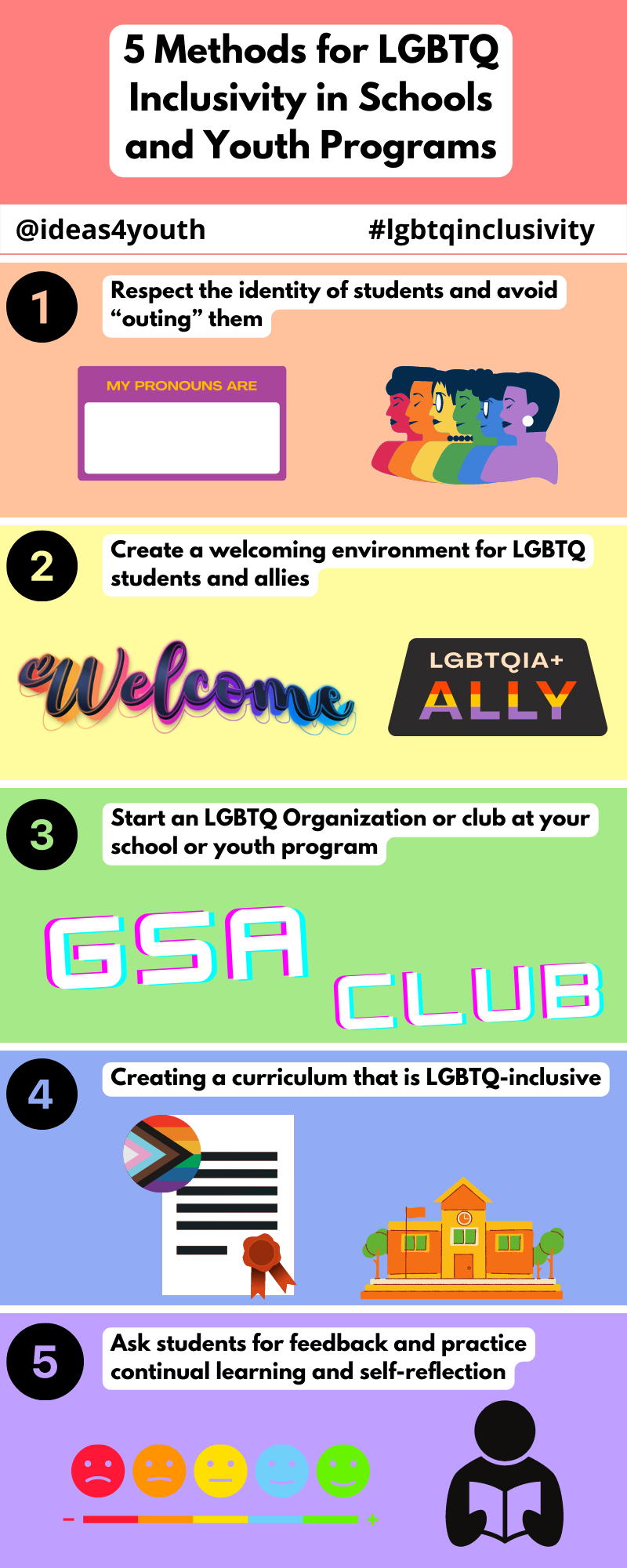

 SEL has
  2. Have Youth Work with Others
 Florida’s “Don’t Say Gay Bill” will also have
 Mental health, to put it simply,
  One of the ways to support mental health starts with the individual person. If you are a young person needing someone to talk to, please
 For families, first and foremost, you know your child best, but sometimes they need some encouragement and reassurance that they can talk about their feelings and experiences. Talk to your child, spend some time with them, but l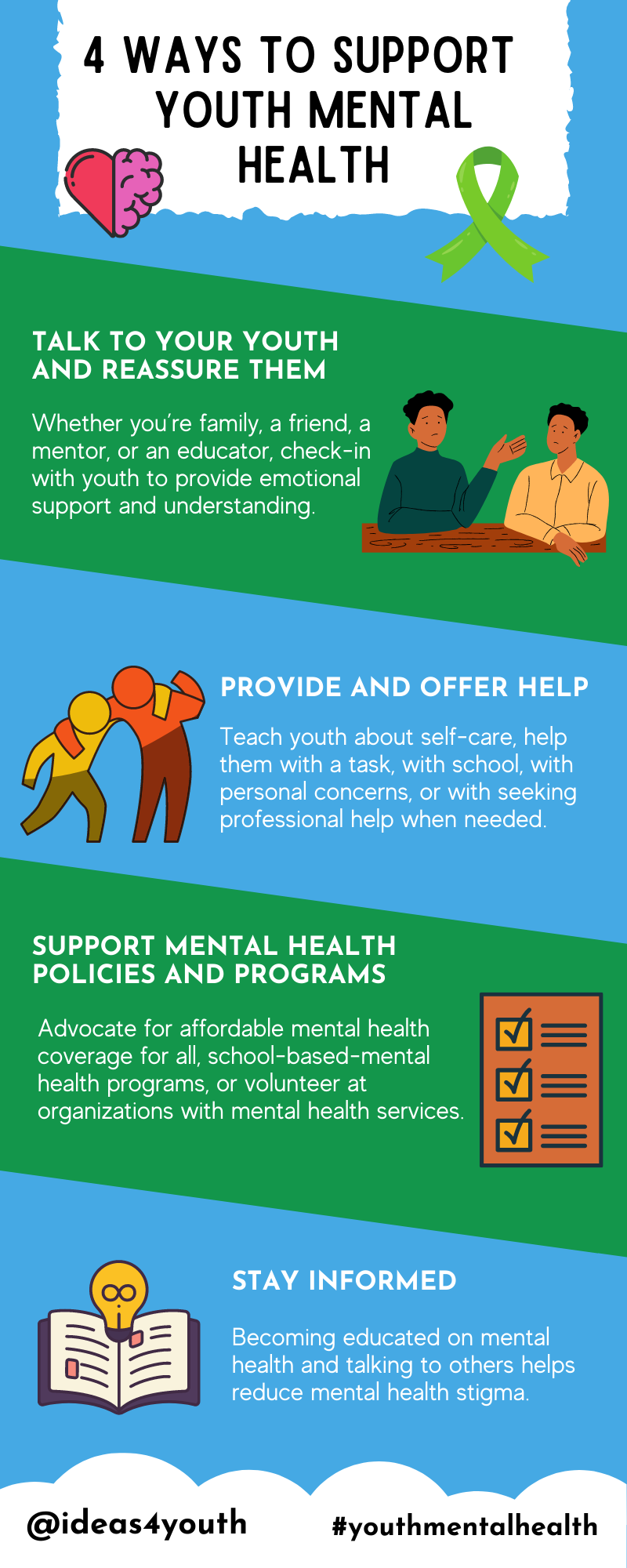






 WHERE ARE WE NOW?